The Culture of the WPBL: Why Player Personality May Be the League’s Biggest Strength
The WPBL is historic, but history alone will not make fans remember every player.
A league needs more than a mission. It needs people. It needs athletes with voices, humor, confidence, emotion, leadership, teammate energy and real lives behind the uniform.
That is where the culture of the Women’s Pro Baseball League becomes interesting.
The league’s first season will still depend on baseball quality. The games have to be competitive. The teams have to feel real. The players have to perform. But the WPBL’s early personality may help fans connect faster than they would with a faceless new league.
This article is not about fan-growth strategy. It is about the human culture around the players.
Table of Contents
Why Culture Matters in a First-Year League
A first-year league has no long memory yet.
Fans do not have decades of team loyalty. There are no old playoff scars, famous rivalries or inherited family traditions. Those things take time.
Culture helps fill that early space.
When fans do not yet know the standings, they may remember a player’s confidence. When they do not know team history, they may remember a player’s story. When they are still learning rosters, they may remember humor, leadership, honesty or personality.
That does not make culture more important than baseball. It simply means culture can help fans enter the league.
The WPBL’s first-year identity will be built not only by wins and losses, but also by how its players carry themselves.
A League With Real-Life Depth
One of the most interesting things about the WPBL is the range of people inside it.
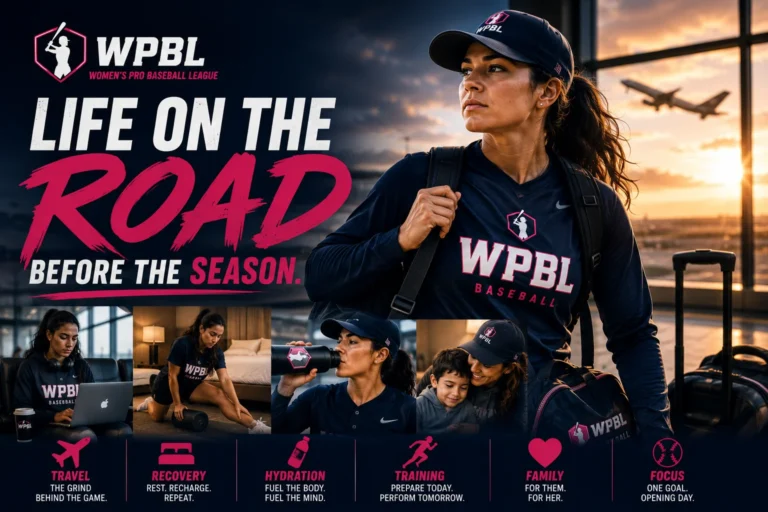
This is not a league of identical player backgrounds. The roster pool includes mothers, coaches, former firefighters, national-team veterans, young players, longtime baseball people and athletes who have moved through different sports and life stages.
That mix gives the league texture.
Fans may connect with a veteran who has spent years chasing baseball. They may connect with a mother balancing family and competition. They may connect with a young player entering a new stage. They may connect with a coach who understands the next generation. They may connect with someone whose life outside baseball is just as interesting as her role on the field.
That variety can become part of the WPBL’s identity.
It makes the league feel lived-in, not manufactured.
Humor Makes Players Easier to Remember
Humor is one of the easiest ways for fans to remember athletes.
A funny comment, a playful teammate moment, a travel joke, a nickname or a lighthearted answer can make a player feel more human. In a new league, that matters because fans are still learning names.
Humor also keeps the WPBL from feeling too heavy.
The league has serious meaning. It represents professional women’s baseball returning to a bigger stage. It gives women baseball players an opportunity that has been missing for a long time.
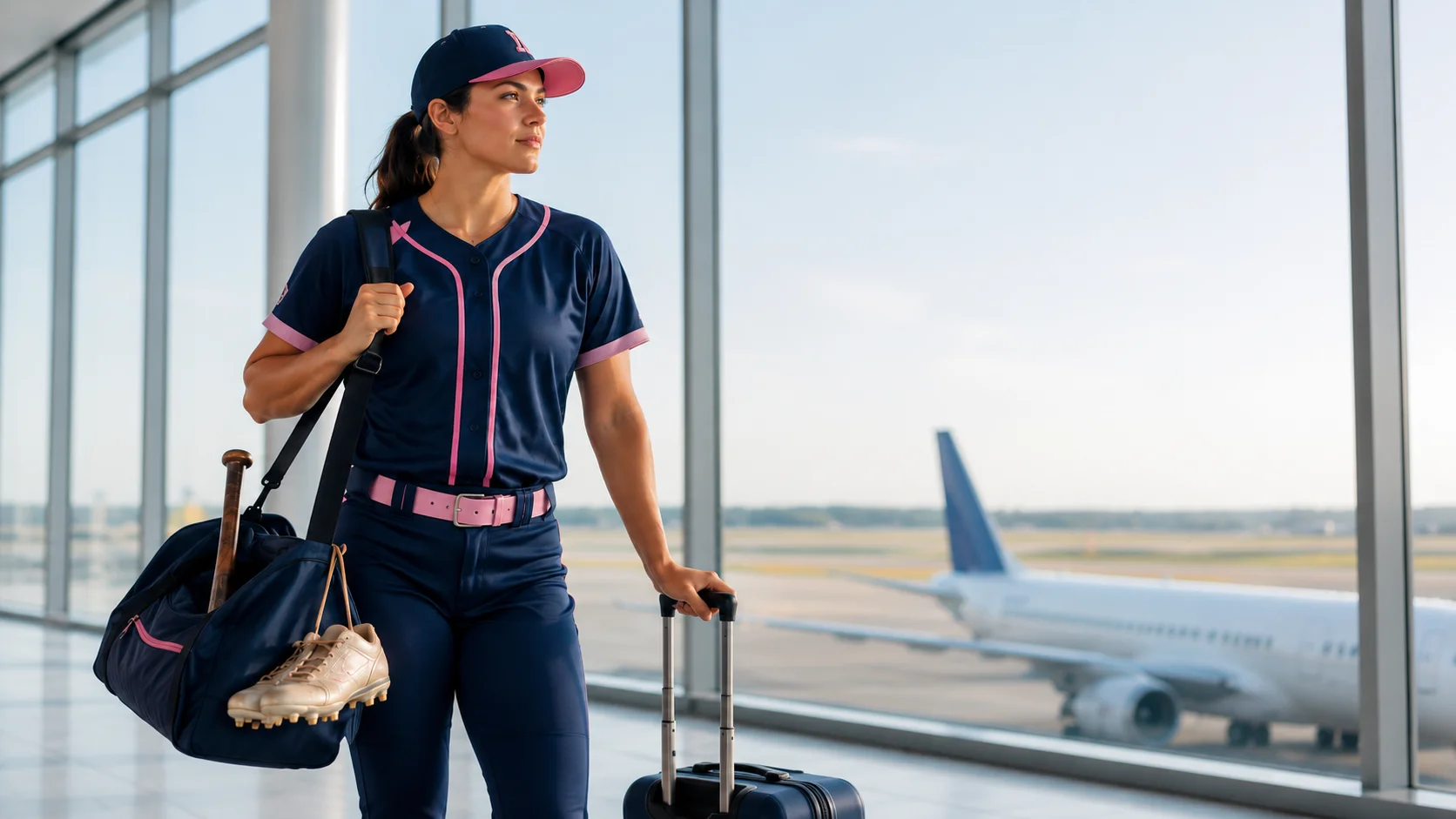
But the players are not only symbols. They are people who joke, laugh, tease teammates, deal with travel chaos and bring personality to the sport.
That balance matters.
A league can be meaningful and still be fun.
Confidence Gives the League Energy
Confidence is another important part of WPBL culture.
Players entering a new league have to carry belief. They are stepping into an environment where many fans are still learning about women’s baseball. They may have to answer questions, prove the level of play, represent the sport and compete under attention.
That requires confidence.
Not empty hype. Not pretending everything is already proven. Real confidence means showing up prepared, competing seriously and believing the league belongs on the baseball calendar.
That attitude can help shape the WPBL.
Fans can feel when players believe in what they are building. Confidence gives the league energy before its traditions are fully formed.
Honesty and Vulnerability Build Trust
The WPBL’s player culture should not be only polished confidence.
Honesty matters too.
Many women baseball players have had complicated paths. Some were pushed toward softball. Some had to search for teams. Some balanced jobs, coaching, family, injuries or national-team commitments. Some kept playing without knowing whether a league like this would ever exist.
When players are honest about that, fans understand the league better.
Vulnerability does not make athletes look weaker. It gives context to their careers. It shows what they carried before they arrived at this stage.
For the WPBL, that honesty can become a strength. It helps fans see the players as full people, not just names on a roster.
Player Leadership Will Shape the League
Leadership will matter in the WPBL’s first season.
Some players will lead through performance. Some will lead through experience. Some will lead through how they treat teammates. Some will lead by helping younger players adjust. Some will lead by explaining the league to fans and media.
In a first-year league, leadership is especially important because everyone is building something new at the same time.
Veteran players can help create standards. Coaches can help establish professionalism. Younger players can bring energy. Players with national-team experience can bring high-level expectations. Mothers, firefighters, teachers, coaches and other experienced adults can bring life perspective.
The culture will not come from one person. It will come from how all of those personalities share the same space.
Teammate Energy Can Become a Signature
A league feels different when teammates seem connected.
Fans notice dugout energy. They notice how players celebrate each other. They notice body language, jokes, encouragement and how teams respond after mistakes.
That kind of teammate energy can become part of the WPBL’s early appeal.
Because the league is new, fans will be watching not only who wins, but how teams feel. Which teams look loose? Which teams look intense? Which teams have leaders? Which players bring spark? Which groups seem to enjoy playing together?
Those small cultural details can help shape team identity before rivalries fully develop.
Why Personality Helps Fans Remember Players
Fans remember players for different reasons.
Some remember stats. Some remember big hits. Some remember defensive plays. But many also remember personality: the funny player, the intense player, the honest player, the leader, the veteran, the young star, the player with a powerful life story.
That matters for the WPBL because fans are still learning the league.
Personality gives fans shortcuts. It helps them organize the roster in their minds. It gives them a reason to follow a player before they know every number.
Once games begin, performance can deepen that connection. A memorable personality plus strong play is the ideal combination.
Mothers, Coaches, Firefighters, Veterans and Young Players in One League
The WPBL’s culture is strengthened by the fact that different life experiences are sharing the same league.
A mother may bring patience and perspective. A former firefighter may bring toughness and calm under pressure. A coach may bring teaching instincts. A veteran player may bring standards and maturity. A young player may bring excitement and urgency.
That mix can be powerful.
It also gives fans different ways to connect. Not every fan relates to the same type of athlete. Some may admire the veteran. Some may love the young player chasing her first big chance. Some may connect with the parent balancing family and sport. Some may respect the player who served her community before stepping into the league.
That kind of variety helps the WPBL feel human.
Personality Is Not a Substitute for Performance
Personality can help fans care, but it cannot replace baseball quality.
The WPBL still needs strong pitching, clean defense, good at-bats, smart coaching, competitive games and a season that feels worth following. A player may be funny, honest or inspiring, but the league still has to deliver on the field.
That distinction is important.
Personality may bring some fans in early. Performance is what keeps the competition credible.
The best version of the WPBL is not personality instead of baseball. It is personality plus baseball.
Fans should be able to enjoy the human side of the league while also respecting the level of play.
The Best Version of WPBL Culture
The strongest WPBL culture would combine several things:
- serious baseball
- visible personalities
- honest player stories
- teammate energy
- leadership
- humor
- confidence
- respect for the game
- connection with young fans
- competitive standards
That mix would make the league feel modern without losing baseball credibility.
The WPBL should not hide its players behind generic messaging. The athletes are one of the league’s biggest assets. Their backgrounds, personalities and relationships can help fans remember the league as more than just a schedule.
But the culture has to stay tied to the sport.
The personality should make the baseball easier to care about, not distract from it.
What Fans Should Watch During the First Season
Once games begin, fans should watch how culture shows up on the field.
Which players become team leaders? Which teams develop strong dugout energy? Which personalities become fan favorites? Which players balance confidence with performance? Which veterans help younger players settle in? Which teams build identity quickly?
Those questions will help define the WPBL’s first year.
The league’s culture will not be decided only by interviews or public appearances. It will be shaped during games, practices, team travel, wins, losses, pressure and the daily rhythm of the season.
That is where personality becomes real.
Conclusion
The WPBL’s culture may become one of its biggest early strengths because the league is full of players who feel human, memorable and different from one another.
There is humor. There is confidence. There is honesty. There is vulnerability. There is leadership. There are mothers, coaches, firefighters, veterans and young players sharing the same professional baseball stage.
That can help fans remember the people behind the uniforms.
But culture alone is not enough. The WPBL still has to play good baseball. It needs quality competition, strong teams, clear coverage and real performances once the season begins.
If the league can combine personality with serious baseball, its culture will not just help people notice the WPBL.
It may help bring them back.