Team USA Veterans in the WPBL: How National Team Experience Shapes the League
The WPBL is new, but some of its players are not new to high-level baseball.
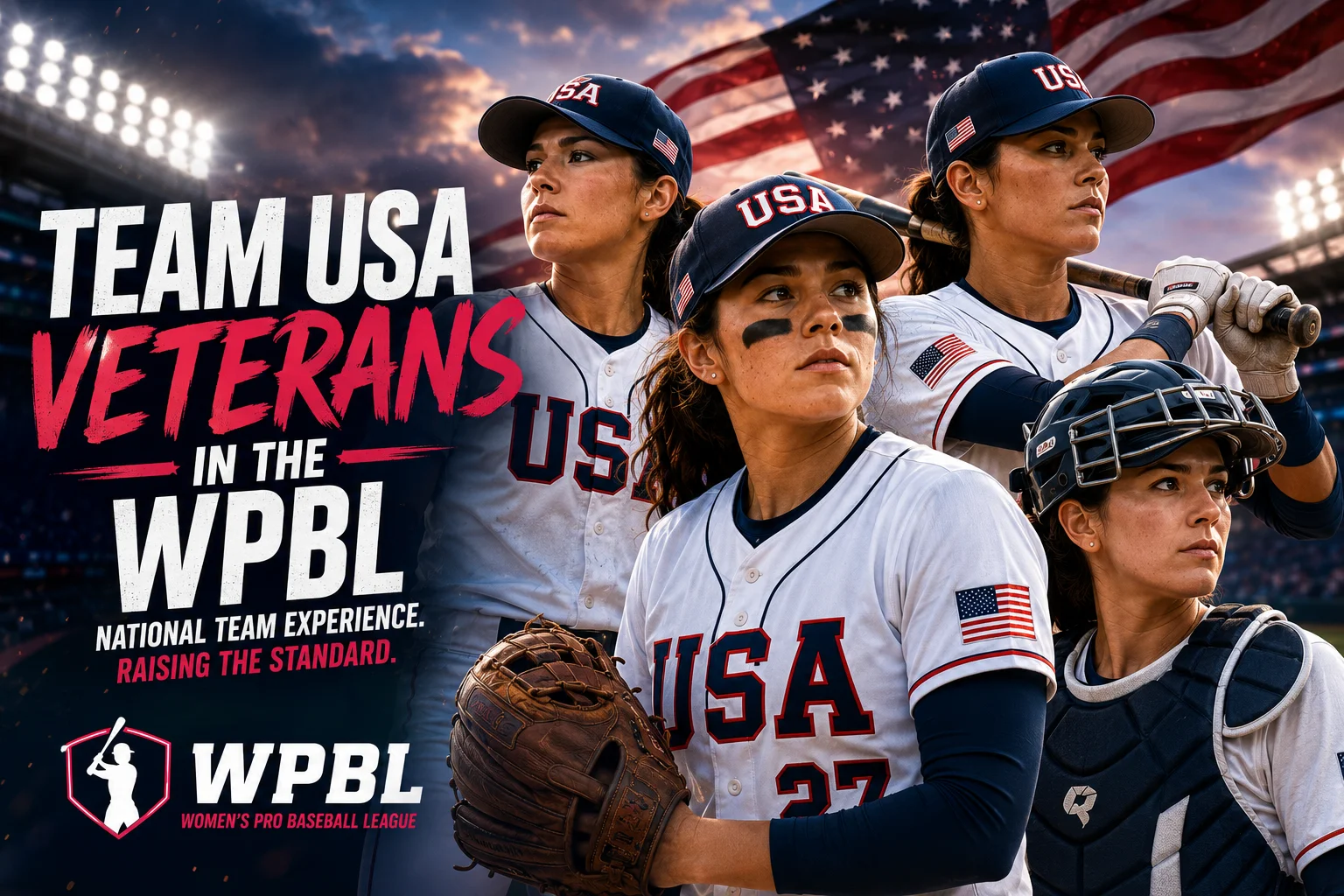
Several women entering the Women’s Pro Baseball League have already spent time in national-team environments, including Team USA and other elite women’s baseball spaces. That experience matters because a first-year league needs more than rosters. It needs standards, leadership, preparation habits and players who understand pressure.
This is not a full biography article for every player. It is a roundup of how national-team experience can help shape the WPBL’s first season.
Table of Contents
Team USA and National-Team Connections in the WPBL
| Player | National-team connection | WPBL connection | What experience she brings |
| Ashton Lansdell | Long-running Team USA experience | Drafted to WPBL Team Los Angeles | Pressure experience, leadership, media comfort and high-level baseball background |
| Denae Benites | Team USA women’s baseball connection, including 2019 gold-medal era | WPBL-connected player | Baseball-first pathway, national-team preparation and competitive confidence |
| Val Perez | Team USA-connected player | WPBL-connected player | Pride in representing USA, veteran presence and pressure-tested mindset |
| Meggie Meidlinger | Longtime national-team player dating back years before the WPBL | WPBL-connected veteran | Historical perspective, leadership and deep women’s baseball experience |
| International/national-team players | Players from national-team backgrounds beyond one country | WPBL player pool | Different playing styles, international experience and competitive depth |
Why National-Team Experience Matters in a First-Year League
A first-year league has to build its standards quickly.
There is no long WPBL history yet. No established clubhouse culture. No old rivalries. No proven rhythm from past seasons. Everything has to be created in real time.
That is where national-team veterans can help.
Players who have been in Team USA or other national-team settings already understand serious preparation. They know what it feels like to compete for a larger purpose. They know how to handle pressure, travel, expectations, talented teammates and difficult opponents.
That does not mean they will automatically be the best players in the league. But it does mean they can help set the tone.
In a new league, tone matters.
Team USA Experience Gives the WPBL Credibility
For many new fans, the WPBL is still unfamiliar.
They may not know every roster. They may not know the level of play. They may not know which players have already competed at a high level.
Team USA experience helps answer that question.
When fans see national-team veterans in the WPBL, it shows that the league is drawing from real women’s baseball talent. These players are not starting from zero. Many have already represented their country, competed in elite environments and played in games where the uniform carried weight.
That gives the league early credibility.
It also reminds fans that women’s baseball talent existed before the WPBL. The league is giving that talent a professional home.
Ashton Lansdell: Team USA Experience and Year-One Pressure
Ashton Lansdell is one of the clearest examples of a Team USA-connected player entering the WPBL with a lot already on her plate.
She brings national-team experience, Banana Ball visibility and a WPBL Team Los Angeles connection. That mix gives her a useful perspective in a first-year league.
The key point is not to retell her full story here. That belongs in her individual profile.
For this roundup, Ashton matters because she represents the type of player who has already been around high expectations. She understands competitive baseball, public attention and the responsibility that comes with helping introduce a new league.
That kind of background can help a first-year team settle faster.
Denae Benites: National-Team Preparation and Baseball Identity
Denae Benites brings another kind of Team USA connection into the WPBL story.
Her background is valuable because it shows how national-team baseball has often been one of the highest available stages for women baseball players. Before the WPBL, players like Denae had to build their careers through youth baseball, women’s tournaments, national-team opportunities and other baseball spaces.
Her Team USA background gives her experience in serious women’s baseball environments.
For the WPBL, that matters because players with national-team experience can bring preparation, confidence and credibility into the league’s first season.
Denae’s full childhood and baseball journey should be covered in her profile. Here, the focus is simple: her national-team experience helps explain why she is part of the WPBL’s higher-level baseball story.
Val Perez: Representing USA and Carrying Veteran Presence
Val Perez adds another layer to this national-team roundup.
Her Team USA connection matters because representing a national team is not only about skill. It is also about responsibility. Wearing a USA jersey means playing for something larger than one player or one game.
That kind of experience can shape how a player enters the WPBL.
Val also brings a mature presence because of her wider life background and baseball experience. In a first-year league, players who understand pressure, service, leadership and public responsibility can help build team culture.
Again, this is not a full Val Perez biography. The point here is what her national-team connection can bring to the league.
Meggie Meidlinger: Long-Term Women’s Baseball Perspective
Meggie Meidlinger is important because her national-team background reaches back well before the WPBL existed.
That matters for a roundup like this.
Some players are entering the WPBL as part of a new professional moment, but they have been carrying women’s baseball for years. Meggie’s experience gives her a long view of the sport: what it looked like before this league, how opportunities were built, and why a professional platform matters now.
That kind of perspective can be valuable in the WPBL’s first season.
A new league needs young energy, but it also needs people who understand the history behind the opportunity.
From International Rivals to WPBL Opponents
National-team baseball is usually built around country-vs-country competition.
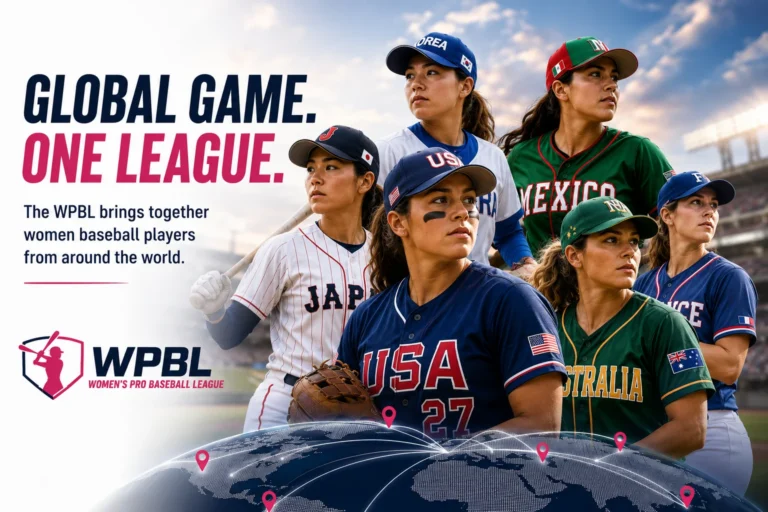
Players represent Team USA, Team Canada, Team Japan, Mexico and other national programs. They compete in international settings where the uniform carries national meaning.
The WPBL changes the context.
Players who may have known each other from international baseball can now become teammates, league rivals or familiar opponents in a professional women’s baseball season.
That can make the league more interesting.
Instead of seeing elite women baseball players only in short international windows, fans can follow them across a season with teams, rosters, standings and regular matchups.
What National-Team Veterans Bring to WPBL Teams
National-team veterans can bring several things to the WPBL:
- preparation habits
- pressure experience
- leadership
- game awareness
- communication
- accountability
- defensive standards
- team-first mentality
- confidence in big moments
Those traits matter in any league, but they matter even more in year one.
A new team needs leaders. A new league needs credibility. Younger players need examples. Coaches need players who understand expectations.
National-team veterans can help with all of that.
How Team USA Veterans Can Help Younger Players
Younger WPBL players can learn a lot from Team USA veterans.
They can learn how to prepare for important games. They can learn how to handle nerves. They can learn how to recover after failure. They can learn how to communicate on the field and how to represent women’s baseball publicly.
That matters because the WPBL’s first season is not just another season.
Players are helping launch a league. They are showing young fans what women’s baseball can look like. They are helping prove the sport deserves attention.
Veterans who have already carried national-team pressure can help younger players manage that responsibility.
What Team USA Experience Does Not Guarantee
Team USA experience is valuable, but it does not guarantee WPBL success.
Baseball still has to be played.
A player with a strong résumé still has to adjust to new teammates, coaches, roles, opponents and expectations. A less-known player can still break out. A national-team veteran can still struggle. A role player can still become essential because of defense, pitching depth, chemistry or consistency.
The WPBL will not be decided by past achievements alone.
National-team experience gives players a foundation. The season will decide how that foundation translates.
What Fans Should Watch in the First Season
Fans should watch how national-team experience shows up once games begin.
Do Team USA veterans become clubhouse leaders? Do they handle pressure moments well? Do younger players develop around them? Do international players bring different styles into the league? Do national-team backgrounds help teams build standards faster?
Fans should also watch for players without major national-team name recognition.
A good league is not built only on famous résumés. It is built when veterans, emerging players and role players all matter.
Conclusion
Team USA and national-team veterans can give the WPBL an important first-year foundation.
They bring experience, leadership, pressure awareness and credibility from some of the highest levels of women’s baseball. They can help set standards and guide younger players as the league builds its identity.
But national-team experience is not a guarantee.
The WPBL’s first season will still be decided by performance, health, chemistry, coaching and adjustment. That is what makes the league worth watching.
The WPBL is new. Many of its players are not.