WPBL Players With Double Lives: Firefighters, Architects, Mothers, Coaches and Pro Athletes
The WPBL is not only introducing fans to players.
It is introducing them to people with full lives outside baseball.
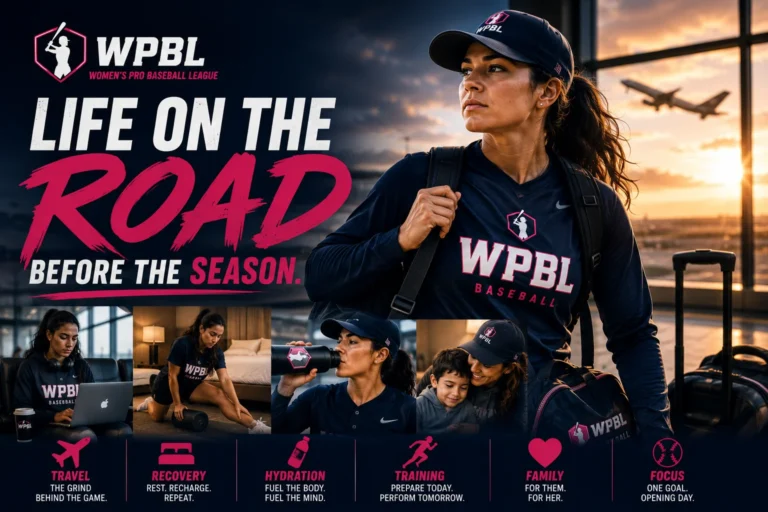
Many women entering the Women’s Pro Baseball League did not follow one clean, traditional path into pro sports. Some worked demanding jobs. Some coached. Some raised children. Some served communities. Some studied, taught, traveled, trained and kept playing baseball wherever they could.
That is what makes this roundup different from an individual profile page.
This article is not trying to tell every player’s full life story. It is a quick look at the off-field roles and responsibilities that show how many WPBL players reached professional baseball while carrying much more than the game.
Table of Contents
WPBL Players With Off-Field Roles
| Player | Off-field role | WPBL connection | Why the story stands out |
| Val Perez | Retired firefighter, mother, coach-type veteran presence | WPBL-connected player | Brings service, family responsibility and baseball experience into the league |
| Alli Schroder | Wildland firefighter | WPBL-connected player | Shows the toughness and discipline some players carry from demanding work outside baseball |
| Meggie Meidlinger | Architect, missionary, longtime women’s baseball figure | WPBL-connected veteran | Represents a long baseball journey built alongside serious career and service work |
| Kylee Lahners | Mother and high-energy competitor | WPBL-connected player | Shows how motherhood and competitive baseball can exist in the same athlete story |
| Jacqui Reynolds | Coach and baseball mentor | WPBL-connected player/coach figure | Reflects the teaching and player-development side of women’s baseball |
| Sabrina Robinson | Coach, media-facing voice and women’s baseball advocate | WPBL-connected player/figure | Helps connect the league to young players, families and wider audiences |
| Ashton Lansdell | Player, media voice, Banana Ball and Team USA-connected athlete | Los Angeles Hunters | Shows how some players are also helping introduce and explain the league publicly |
Why These Stories Matter in a New League
A new league does not have decades of history yet.
Fans are still learning the teams. They are still learning the rosters. They are still deciding who to follow and why the league matters.
That is where off-field stories can help.
A fan may not know every WPBL stat yet, but they can remember a retired firefighter who is also a mother. They can remember a wildland firefighter stepping into professional baseball. They can remember an architect who has spent years in women’s baseball. They can remember coaches and mentors helping grow the game.
These details do not replace baseball performance.
They simply help fans understand the people behind the uniforms.
The WPBL Is Not Only Built From Traditional Athlete Paths
Many professional sports stories follow a familiar pattern: youth star, college athlete, draft pick, pro career.
Women’s baseball has often been different.
Because there was not always a clear professional baseball path for women, many players had to build their careers in unusual ways. Some stayed connected through national teams. Some coached. Some played softball and returned to baseball. Some worked full-time jobs. Some found opportunities in Banana Ball, community programs, international baseball or tryouts.
The WPBL brings those different paths into one league.
That is part of what makes the first season interesting. The players are not all arriving from the same pipeline. They are bringing different lives, ages, responsibilities and experiences into the same professional baseball space.
Val Perez: Firefighter, Mother and Baseball Player
Val Perez is one of the strongest examples of a WPBL player with a full off-field story.
She is connected to firefighting, motherhood and baseball. That combination matters because it shows a player shaped by service, family and competition.
Firefighting requires discipline, teamwork and calm under pressure. Motherhood brings another level of responsibility and perspective. Baseball adds the competitive side.
For this roundup, Val’s story matters because it shows how WPBL players may bring more than athletic experience into the league.
Her full journey deserves its own profile. Here, she represents the kind of real-life depth that can make a new league feel human.
Alli Schroder: Wildland Firefighter and Athlete
Alli Schroder brings a different kind of public-service background.
Wildland firefighting is demanding work. It requires endurance, focus, physical toughness and the ability to handle unpredictable situations.
Those qualities can shape an athlete’s mindset, but they should not be turned into performance predictions. Being a firefighter does not automatically make someone a great baseball player. The game still requires skill, timing, repetition and execution.
What Alli’s story shows is that some WPBL players are arriving with discipline built outside the sport.
That can matter in a first-year league where players are helping build team culture from the ground up.
Meggie Meidlinger: Architect, Service and Baseball Longevity
Meggie Meidlinger’s background gives the WPBL a long-view story.
She is connected to architecture, missionary work and years in women’s baseball. That combination shows how some players carried baseball while building serious lives outside the sport.
Architecture requires patience and detail. Service work reflects commitment beyond the field. Her baseball background connects her to women’s baseball before the WPBL had a professional stage.
For a roundup article, the key point is simple: Meggie represents the players whose baseball lives did not begin with the WPBL.
The league gives that long journey a new platform.
Mothers in the WPBL Story
Motherhood is another important part of the WPBL’s off-field story.
Players such as Val Perez and Kylee Lahners show that professional baseball can include women at different stages of life. Their presence matters because fans do not often get to see mothers represented in baseball this way.
Motherhood should not be turned into a cliché. These players are athletes first when they step onto the field.
But it is fair to say that parenting can bring perspective, patience, time management and leadership. It also gives fans another way to connect with players as people.
For young athletes and parents watching the WPBL, that visibility can matter.
Coaches and Mentors: Building the Game While Playing It
Some WPBL-connected players are also tied to coaching, mentoring and growing the game.
Jacqui Reynolds and Sabrina Robinson fit that part of the roundup.
This matters because women’s baseball does not grow only through professional games. It grows through coaches, camps, clinics, youth programs, player development and people willing to teach the next generation.
Coaches help young girls believe they belong in baseball. They teach skills. They create confidence. They help players find pathways.
The WPBL gives the sport a professional stage, but coaches and mentors help build the base underneath it.
Ashton Lansdell and the Player-Media Role
Ashton Lansdell represents a modern kind of double role.
She is a Los Angeles Hunters player, but she has also been part of the public-facing side of the league. Her role shows how some players are not only preparing to compete. They are also helping fans understand the league.
That matters in a first-year league.
When a league is new, players often become educators, storytellers and public voices. They answer questions, explain the sport, share the build-up and help fans learn why the season matters.
This section should stay short because Ashton has her own profile. Here, the point is her role as an example of how WPBL players may carry baseball, media and fan connection at the same time.
What These Backgrounds Can Bring to Teams
Off-field roles do not guarantee baseball success.
A firefighter still has to execute. A coach still has to compete. A mother still has to perform. An architect still has to help her team. A media voice still has to produce on the field.
But life experience can bring useful traits into a league.
It can bring leadership. It can bring discipline. It can bring communication. It can bring patience, toughness, service, maturity and pressure management.
In a first-year league, those traits can help.
Teams are forming new cultures. Players are learning teammates. Coaches are building standards. Fans are meeting the league for the first time.
Real-life experience can help make that process stronger.
Why This Roundup Should Link to Player Profiles
This article should work as a hub, not a replacement for individual profiles.
Each player mentioned here has a bigger story. A profile page can go deeper into childhood, baseball path, team role, playing style, quotes, stats, personal background and season outlook.
This roundup should stay focused on the theme: WPBL players are arriving from full lives, not one simple athlete pipeline.
That makes it useful for internal linking.
Readers can discover a player here, then click into a full profile for more detail.
Conclusion
The WPBL’s first season is being shaped by players whose lives go beyond baseball.
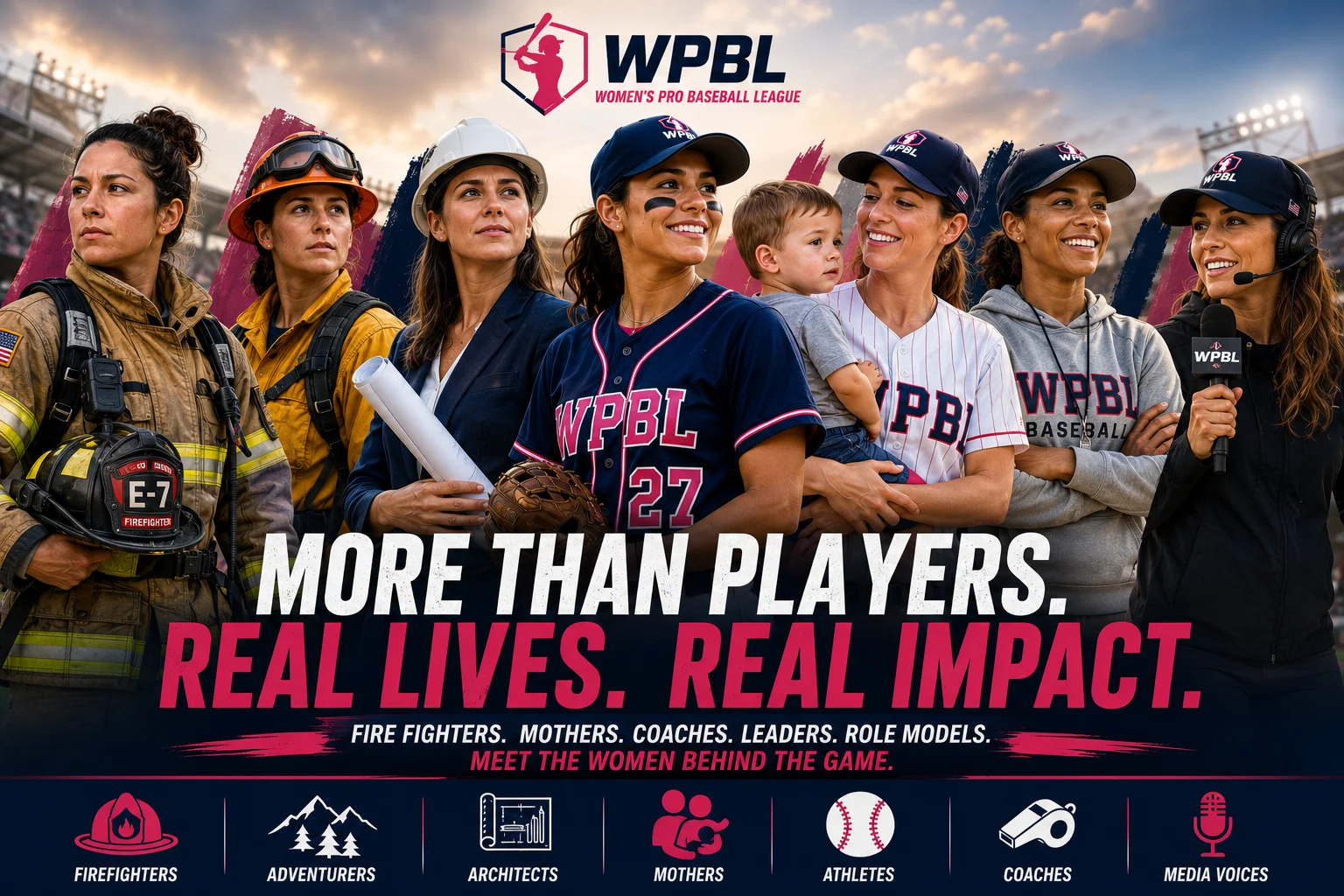
They include firefighters, mothers, coaches, architects, media voices, service-minded leaders and longtime women’s baseball figures. Some worked. Some coached. Some raised families. Some served communities. Some built careers while still finding ways to keep playing.
That does not make them better because their paths were harder.
It makes the league more human.
The WPBL is not only a collection of rosters. It is a league built from women who carried baseball through real lives and are now bringing those lives into a professional women’s baseball season.