How the WPBL Is Building a Fanbase Before Playing a Game
The WPBL does not have decades of team history yet.
There are no old rivalries, classic playoff moments, long-running team traditions or championship debates for fans to argue about. The Women’s Pro Baseball League is still preparing for its first season, which means it has to build attention before the games themselves can do the work.
That is one of the biggest challenges for any new league.
Before opening day, the WPBL has to make people aware of the league, help them learn the teams, introduce the players, create ticket interest, build search demand and give fans reasons to keep checking back.
That early work is already part of the league’s story.
Table of Contents
Why a New League Needs Attention Before Opening Day
A first-year league cannot wait for the first pitch to explain itself.
Fans need time to understand what the WPBL is, who plays in it, where the teams are, when the season starts and why the league matters. If those answers are hard to find, many casual fans will move on before they ever watch a game.
That is why early awareness matters.
Before the league has standings, results or highlights, it has to create basic recognition. People need to hear the name. They need to see the players. They need to know there is a schedule. They need to understand that this is professional women’s baseball, not a one-time event.
A new league grows in stages. First people notice it. Then they search for it. Then they learn the names. Then they choose a team or player to follow. Then they watch games.
The WPBL is still in those early stages.
Player Stories as Early Fan Hooks
Before fans know the teams well, player stories can give them a starting point.
A fan may not yet know the full Boston Hunters roster or what Los Angeles Queens’ strengths will be. But they can hear about a player who grew up playing baseball, stayed with the sport, represented women’s baseball, played in public-facing baseball environments or fought through a non-traditional path.
That kind of story gives the league a human entry point.
For the WPBL, player stories help answer the bigger question behind the league: why does this matter?
They show that the league is not just creating teams on paper. It is giving a platform to women who have already been part of baseball in different ways. Some have national-team experience. Some have coaching backgrounds. Some are connected to Banana Ball. Some are mothers, former firefighters, young players, veterans or athletes who had to create their own route.
Those details help people care before the box scores exist.
Media Coverage Makes the League Easier to Discover
Media coverage is important because it introduces the WPBL to people who were not already searching for women’s baseball.
A new league needs more than its existing core audience. It needs casual baseball fans, families, women’s sports fans, youth coaches, local sports readers and people who may only become interested after seeing the league mentioned somewhere else.
Every media feature, interview, news segment, article, social clip or player appearance helps make the WPBL easier to discover.
That matters because awareness is still the first battle.
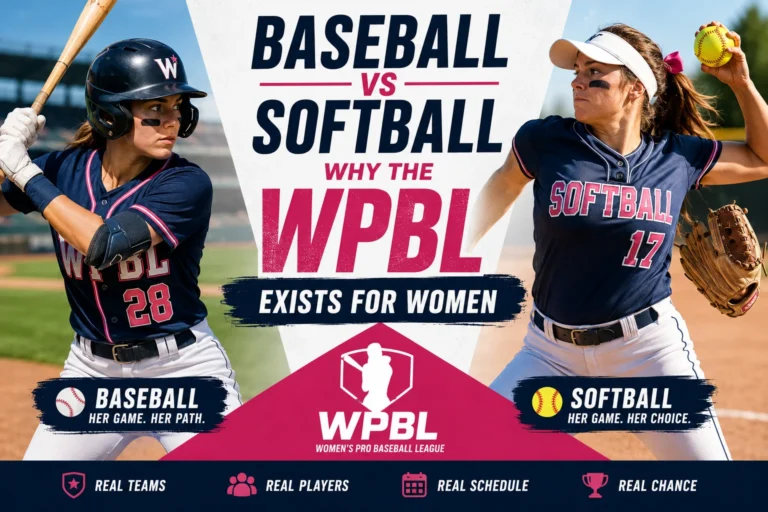
Many people still do not know women’s professional baseball is returning. Others may confuse it with softball. Some may have heard the name WPBL but not know the teams, schedule or players yet.
Media coverage helps close that gap.
Fan Events and Meet-and-Greets Build Early Connection
Fan events are not just promotional extras for a new league. They are part of building the fanbase.
When fans meet players before the season, the league becomes more real. A photo, autograph, short conversation or panel appearance can give someone a reason to remember a player’s name.
That matters especially for families and young fans.
A child who meets a WPBL player may become more interested in the league. A parent may become more likely to follow the schedule. A casual sports fan may go from “I heard about this” to “I want to see a game.”
Meet-and-greets, fan festivals, public panels, local appearances and player access all help turn the WPBL from an announcement into something people can personally experience.
Team Identity Before Games Begin
Team identity usually grows through games.
Fans watch how a team plays, who leads, who wins close games, who struggles, who becomes a rival and which players define the roster. But the WPBL has to start building team identity before any of that history exists.
That means the league needs clear team pages, roster information, logos, colors, player introductions, city connections and simple explanations of what each team represents.
The four founding teams need to feel different before the season starts.
A fan should be able to search for a team and understand who is on the roster, when they play, which players to watch and why that team matters. Without that, the league may attract general curiosity but struggle to turn it into team loyalty.
Team identity will become stronger once games begin, but the early foundation matters now.
Ticket Curiosity Is a Good Early Signal
When fans ask about tickets, the league has moved beyond basic awareness.
Ticket curiosity means people are thinking about attending. They are checking dates, locations, prices, seating, travel and whether the event is worth making plans for.
That is a good sign for the WPBL.
A new league needs fans who are willing to do more than like a post or read an article. It needs people who will show up, bring family, talk about the games and treat the season like something worth following.
Clear ticket information is important here.
Fans should not have to work too hard to understand where games are played, when teams are playing, how the schedule works and how to buy tickets. The easier the path, the better the chance that curiosity becomes attendance.
Merchandise Interest Shows People Want to Belong
Merchandise interest is another early signal.
When fans ask about shirts, hats or jerseys, they are not only looking for clothing. They are looking for a way to identify with the league, a player or a team.
That matters for the WPBL because merchandise can help a new league become visible in everyday life. A fan wearing a team shirt is a small advertisement. A child wearing a player jersey is a sign that the league is starting to create emotional connection.
Merchandise does not build a fanbase by itself, but it supports one.
For a new league, fans need easy ways to show support. Team gear, player jerseys and simple league merchandise can help turn early interest into visible identity.
Schedule and Roster Searches Matter
Search behavior can show what fans care about before the season begins.
People looking for the WPBL schedule, teams, rosters, draft picks, player profiles, opening day, tickets and standings are showing clear intent. They are not just passively hearing about the league. They are trying to follow it.
That is why the WPBL needs clean information architecture.
A good website should make it easy to find:
- WPBL schedule
- WPBL teams
- WPBL rosters
- WPBL tickets
- WPBL draft results
- WPBL player profiles
- WPBL standings
- WPBL opening day details
These pages are not just SEO assets. They are fanbase-building tools.
When fans can quickly find answers, they are more likely to keep following.
Banana Ball Crossover as a Fan Bridge
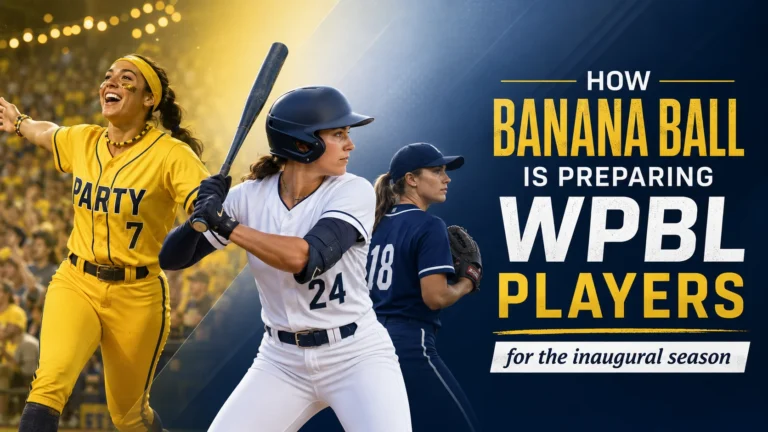
Banana Ball should not take over the WPBL’s identity, but it can help introduce some fans to the league.
Several women connected to Banana Ball are also part of the WPBL conversation. That gives Banana Ball fans a natural reason to pay attention. They may recognize a player first, then become curious about where she is playing next.
That is useful for a new league.
Banana Ball has a fan-first environment, large crowds and strong player visibility. The WPBL is different because it is a professional women’s baseball league with a competitive season structure. But the crossover can still work as a discovery bridge.
A fan who first notices a player in Banana Ball may later search her name, find her WPBL team, check the league schedule and start following the season.
That is exactly the kind of path a new league needs.
Why First-Year Leagues Need Repeated Attention
One media hit is not enough.
One event is not enough.
One strong player story is not enough.
First-year leagues need repeated attention because fans are still forming habits. They may hear about the WPBL once and forget. They may check the schedule once but not return. They may like one player story but still not know when games begin.
That is why consistency matters.
The WPBL needs regular updates, fresh player features, clear schedule reminders, roster content, ticket pushes, team posts, game previews and easy-to-follow storylines. Repetition is not annoying when fans are still learning. It is necessary.
A new league has to keep showing up until following it becomes normal.
The Challenge: Turning Curiosity Into Loyalty
Curiosity is a good start, but it is not the same as loyalty.
A person may be interested in the WPBL because it is new, historic or different. But long-term fandom requires more. Fans need reasons to return after the first wave of attention fades.
That is the challenge.
The league has to turn early curiosity into habits:
- checking the schedule
- following a team
- learning player names
- watching highlights
- reading game recaps
- buying tickets
- wearing team gear
- caring about standings
- talking about the league with others
That is how a fanbase becomes real.
The WPBL’s early awareness work gives it a starting point. The next step is making the season easy and rewarding to follow.
What Fans Still Need Before Opening Day
Before opening day, fans need clarity.
They need to know when games start, where games are played, how to get tickets, which teams exist, who is on each roster, how the schedule works and where to follow results.
They also need stronger team identity.
Player stories are important, but fans also need team-based reasons to care. A league becomes easier to follow when fans can choose sides, compare rosters, track records and understand what each team is building.
The WPBL should keep making these things simple:
- team pages
- roster pages
- ticket links
- schedule pages
- player profiles
- draft explainers
- opening day guides
- basic league rules
- standings and results pages
The easier the league is to understand, the easier it is for fans to stay.
Conclusion
The WPBL is building its fanbase before playing a game by creating awareness through player stories, media coverage, fan events, meet-and-greets, roster interest, ticket curiosity, merchandise demand, schedule searches and Banana Ball crossover attention.
That is exactly what a new league has to do.
The league does not yet have years of history to lean on. It has to build attention step by step and give fans reasons to care before the standings exist.
The real test will come once games begin.
If early curiosity turns into ticket sales, roster searches, team loyalty, merchandise support and repeat attention, the WPBL will have done more than launch a league. It will have started building a real fanbase.